
Help centre
Clear answers about costs, savings, installation, batteries and maintenance — written by the engineers who design our systems.
Home / FAQ
general
Solar panels on your roof convert sunlight into DC electricity. An inverter converts it into AC power for your home. Your appliances use solar power first; any shortfall comes from the grid or batteries, and any surplus can charge batteries or be exported, depending on your system type.
Yes, but at reduced output. Panels still generate from diffuse light, typically a fraction of their sunny-day output. We design systems using realistic seasonal sunshine data, so your savings estimate already accounts for cloudy periods.
Most concrete flat roofs, tiled roofs and metal roofs are suitable. What matters most is unshaded area, structural strength and orientation. Our site survey checks all three and identifies the best placement.
sizing
It depends on how much electricity you use and when you use it. We start with your monthly bills, calculate average daily consumption in kilowatt-hours and divide by the expected daily generation per kilowatt of panels. Roof space and budget then shape the final size.
Savings depend on system size, your daytime usage and tariff structure. A correctly sized on-grid system can cover a significant share of daytime consumption. Your proposal includes an estimated monthly generation figure and a payback period specific to your home.
Payback is usually calculated by dividing the total system cost by the annual value of the electricity it produces. On-grid systems generally pay back fastest because they don’t include batteries. We show the calculation in every proposal so you can check it.
Net metering lets you export surplus solar units and receive credit against your bill. It’s optional, but it improves returns when you generate more than you use during the day. We help prepare the application where it’s available.
installation
Most residential systems are installed in two to four working days once equipment is ready. Larger hybrid and off-grid systems may take a little longer. We confirm the schedule in writing before work begins.
No. We assess the roof before designing the structure, use appropriate anchoring methods for your roof type and seal every penetration. On concrete roofs, ballasted or chemically anchored structures are often used to protect waterproofing.
Someone should be available at the start of each day and for the handover, when we explain the system and set up the monitoring app. Otherwise, our crew can work independently.
batteries
Only if your system includes batteries and a hybrid or off-grid inverter. Standard on-grid systems shut down during outages for safety. A hybrid system switches to battery power automatically.
For most homes we recommend lithium iron phosphate (LiFePO4) batteries for their long cycle life, safety and compact size. We explain alternatives when budget or application calls for them.
Backup time depends on battery capacity and the loads connected. We size the battery around the appliances you choose as essential and the typical length of outages you experience.
maintenance
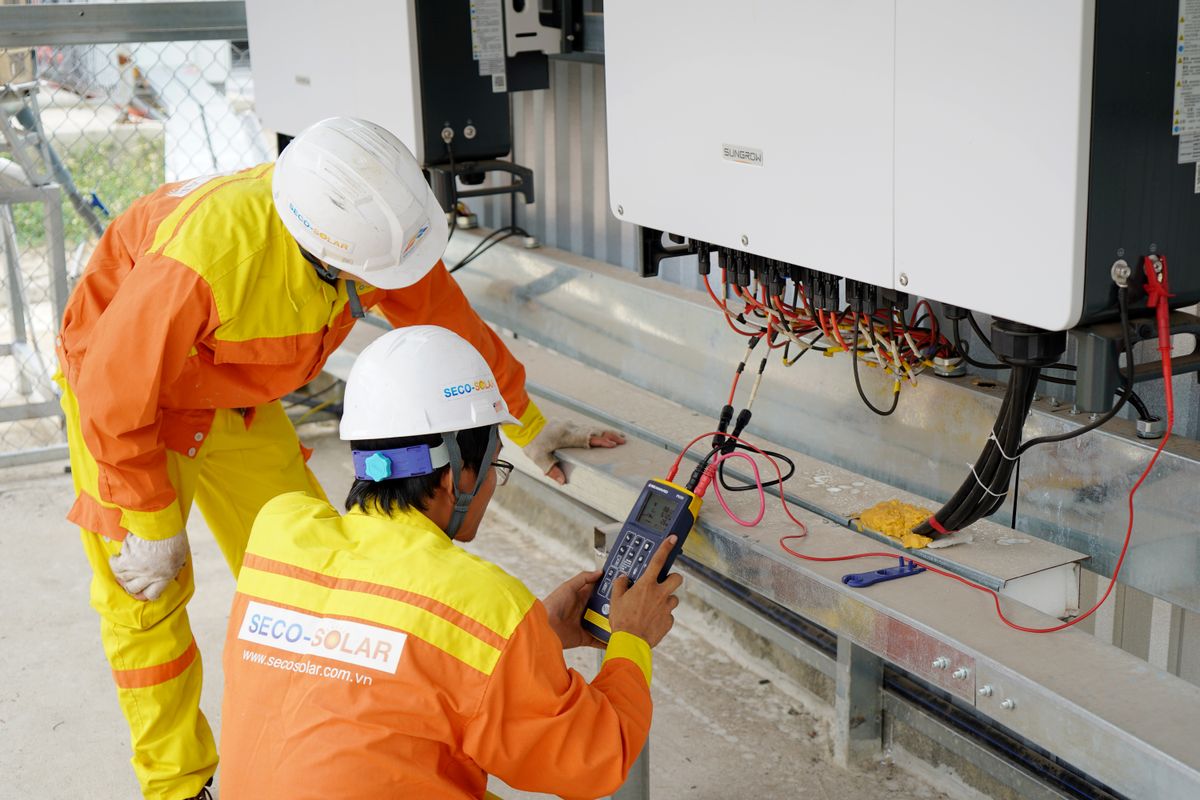
Very little. Regular panel cleaning and an annual electrical inspection are usually enough. Our care plans handle both and include a review of your monitoring data.
Panels typically carry a product warranty and a separate long-term performance warranty from the manufacturer. Inverters and batteries carry their own manufacturer warranties, and SunShik provides a written workmanship warranty. Exact terms are listed in your proposal.
Contact us by phone or email. We first check the monitoring data remotely and, if needed, send a technician — usually within one working day.
Still have questions?
If you can’t find your answer here, send us your question. We reply to every enquiry within one working day.
Start your solar journey
A free survey turns general answers into exact numbers for your roof and your bills.