
Backup without the noise
A hybrid system combines rooftop panels, a hybrid inverter and lithium battery storage. During the day, solar runs your home and charges the battery. When the grid fails, the inverter switches to battery power in milliseconds, so lights, fans, Wi-Fi and the refrigerator keep running.
Unlike a conventional IPS that charges from the grid, a hybrid system recharges from sunlight — so it also lowers your bill every single day. And unlike a diesel generator, it makes no noise and no fumes.
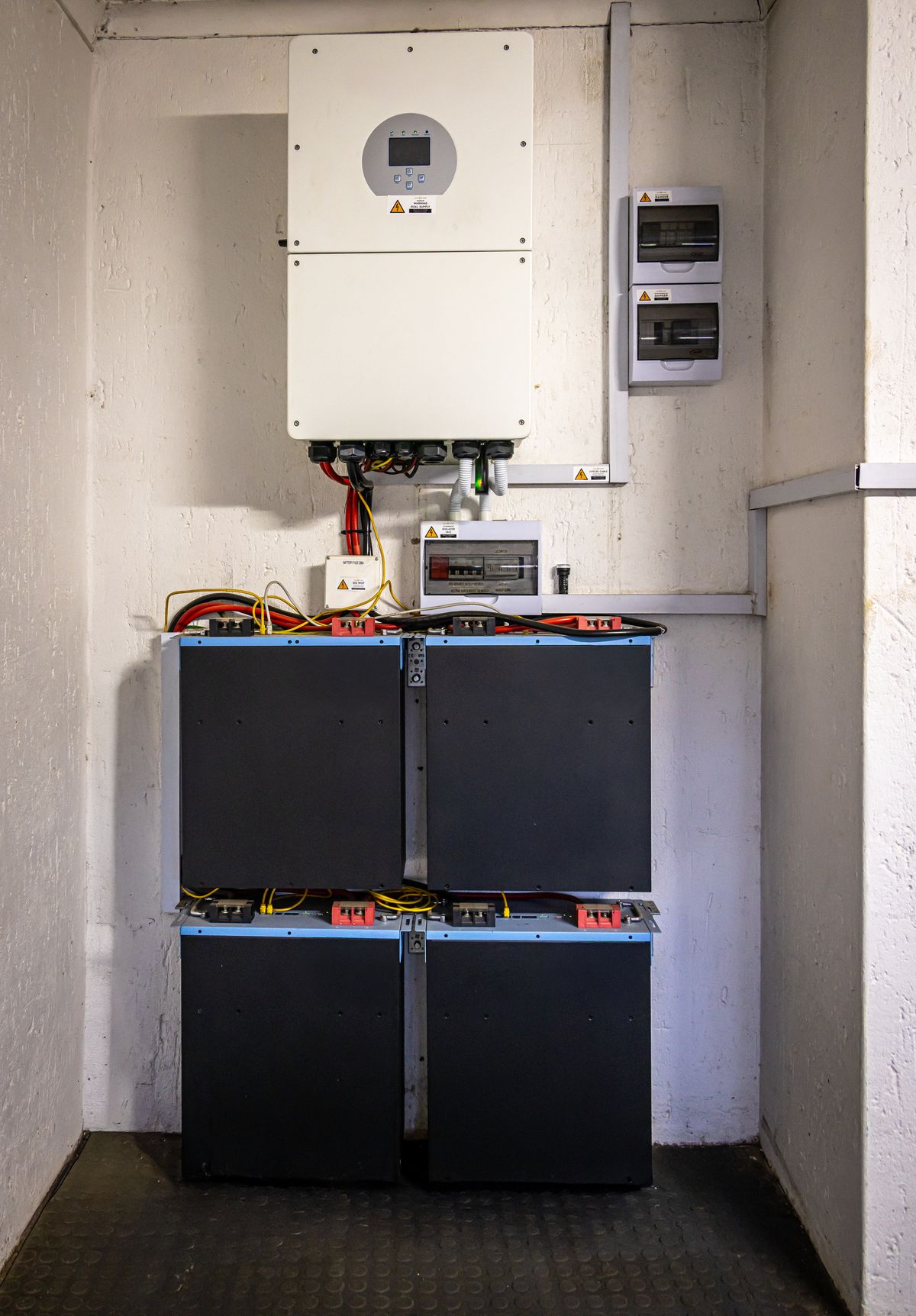
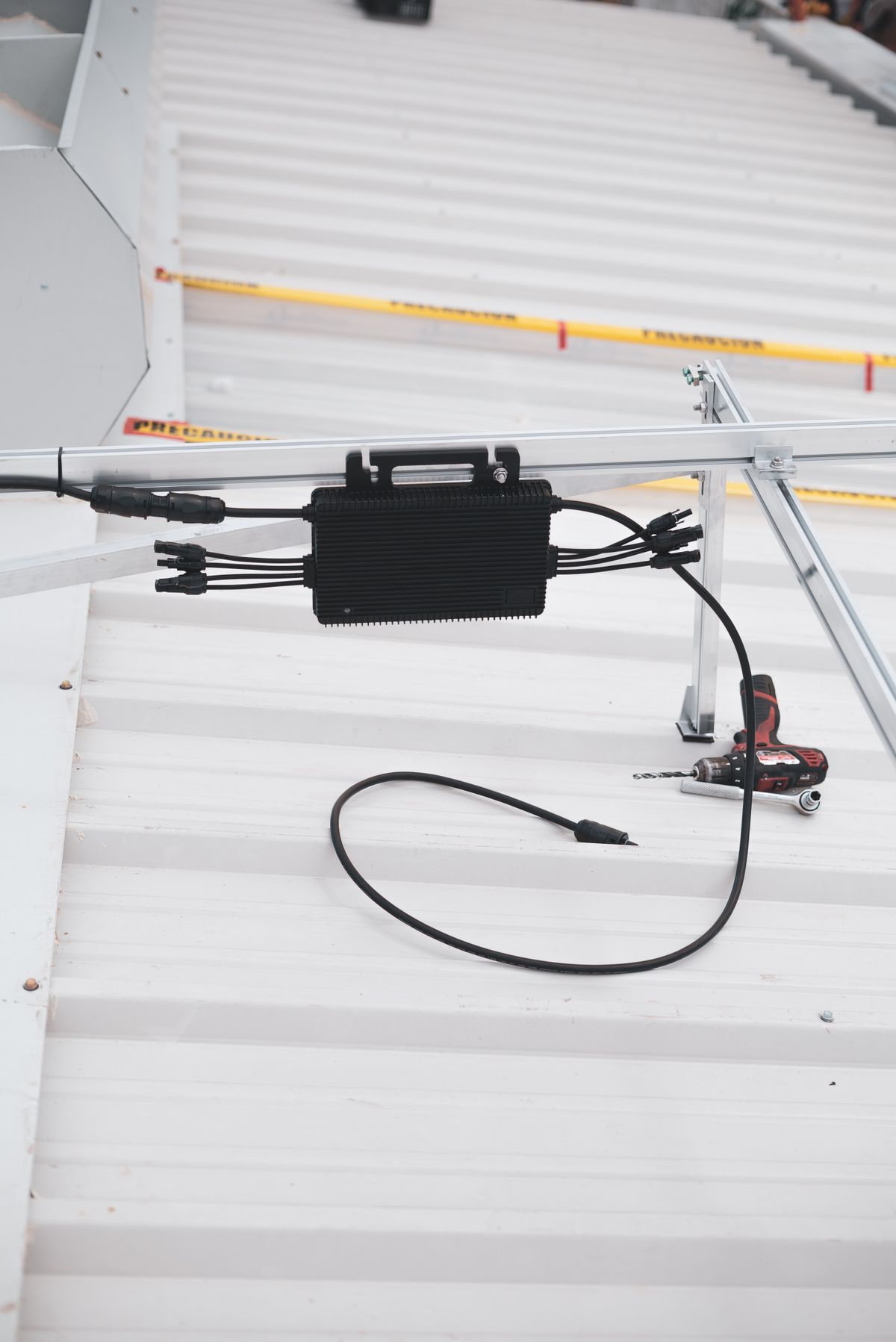
A day with hybrid solar
Solar powers the home first. Any surplus charges the battery, and once the battery is full, extra energy can be exported to the grid where net metering is available.
As generation falls, the inverter draws from the battery to cover evening loads, reducing how much you buy from the grid during the most expensive hours of the day.
When the grid fails, the inverter isolates your home and switches essential circuits to battery and solar power almost instantly. Most devices never notice the change.
A mobile app shows generation, battery state of charge, home consumption and grid usage in real time, and lets our team diagnose issues remotely.
Sizing your backup
Battery capacity is sized around the loads you consider essential and how long outages typically last in your area. We list your appliances, measure their consumption and recommend a battery that covers them comfortably — without paying for capacity you’ll never use.
Essential backup
Extended backup
Why go hybrid
Silent
No engine noise, no fuel deliveries and no exhaust fumes near your windows.
Automatic
Changeover happens on its own — nobody needs to flip a switch in the dark.
Bill-saving
The same panels that charge the battery also cut your monthly grid consumption.
Expandable
Start with one battery module and add capacity later as your needs grow.
Quality lithium iron phosphate (LiFePO4) batteries are typically rated for several thousand charge cycles and commonly carry long manufacturer warranties. Actual lifespan depends on depth of discharge, temperature and charging practices — all of which we configure carefully.
Often, yes. Depending on your current inverter, we can either add an AC-coupled battery system or replace the inverter with a hybrid model. We’ll inspect your setup and explain the most economical route.
An IPS only stores grid electricity, so it never reduces your bill. A hybrid system charges from sunlight, supports far larger loads and provides daily savings in addition to backup.
Start your solar journey
Let us size a hybrid system around the appliances that matter most to you.