
Grid-tied solar
Generate your own electricity during the day and draw less from the grid. On-grid systems offer the lowest cost per kilowatt and the quickest return on investment of any solar option.
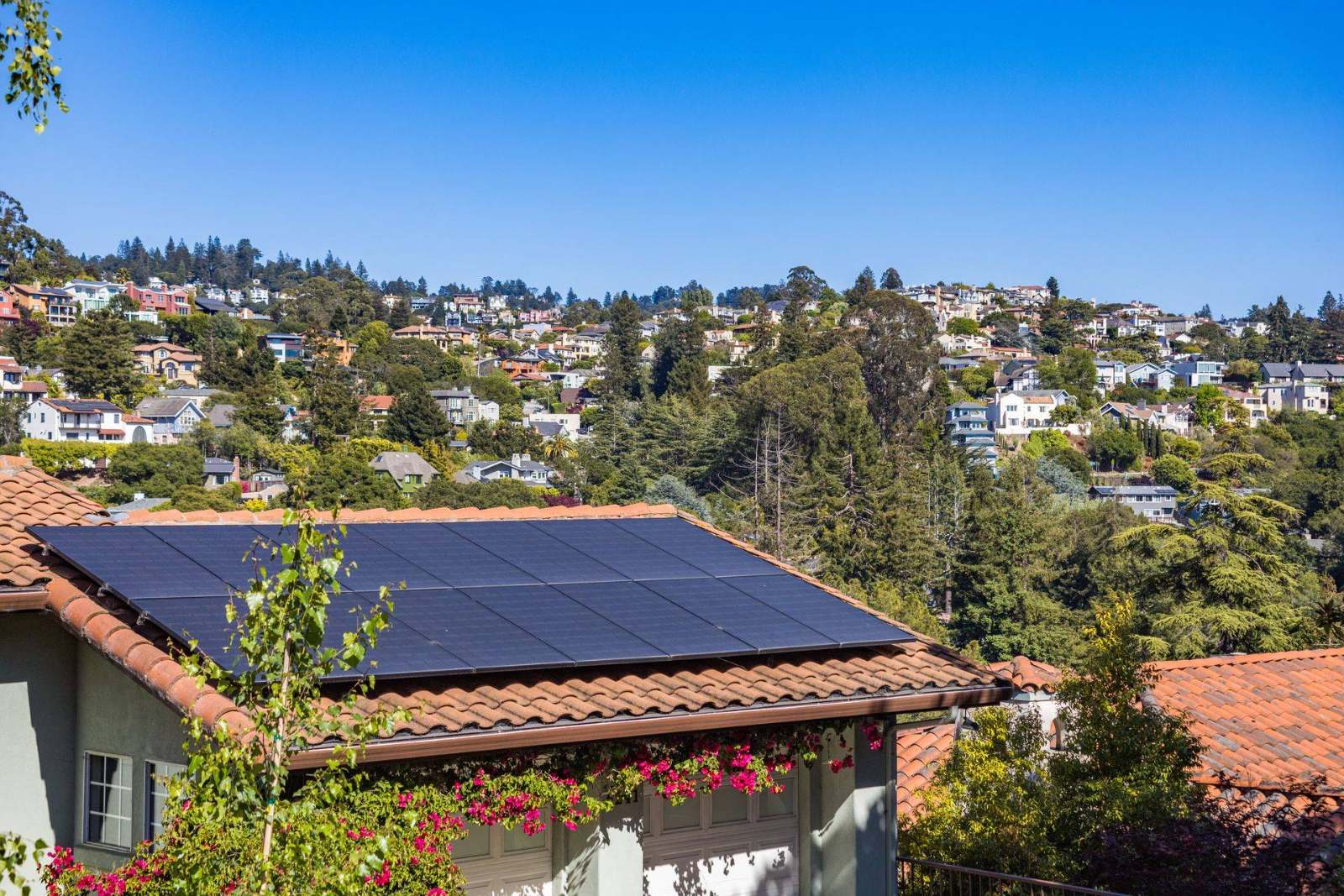
How it works
Photovoltaic cells convert sunlight into direct current (DC) electricity throughout daylight hours.
A grid-tied inverter turns DC into the alternating current (AC) your appliances use, synchronised with the grid.
Your home uses solar first. When you need more, the grid tops up; surplus can be exported under net metering.
Why on-grid
If your home has a reasonably stable grid connection and your main goal is to reduce monthly electricity costs, an on-grid system is almost always the best value. There are no batteries to buy or replace, so more of your budget goes into generating capacity.
Most of a typical household’s consumption happens during the day — fans, air conditioners, refrigerators, water pumps and home offices. A correctly sized rooftop array covers a large share of that load directly. Any extra units you generate can be exported and credited where net metering is available, further shortening your payback period.
We design every on-grid system with future expansion in mind. If you decide to add batteries later, we can recommend an inverter that makes the upgrade straightforward.
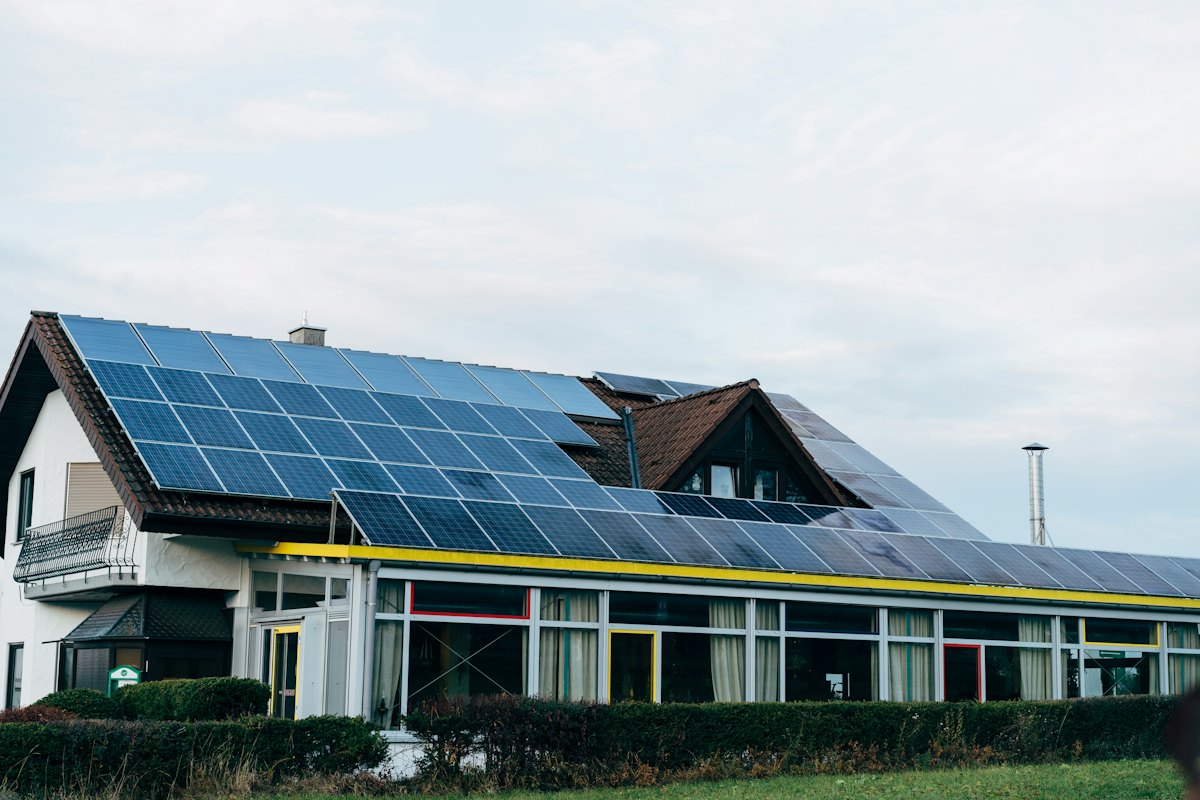
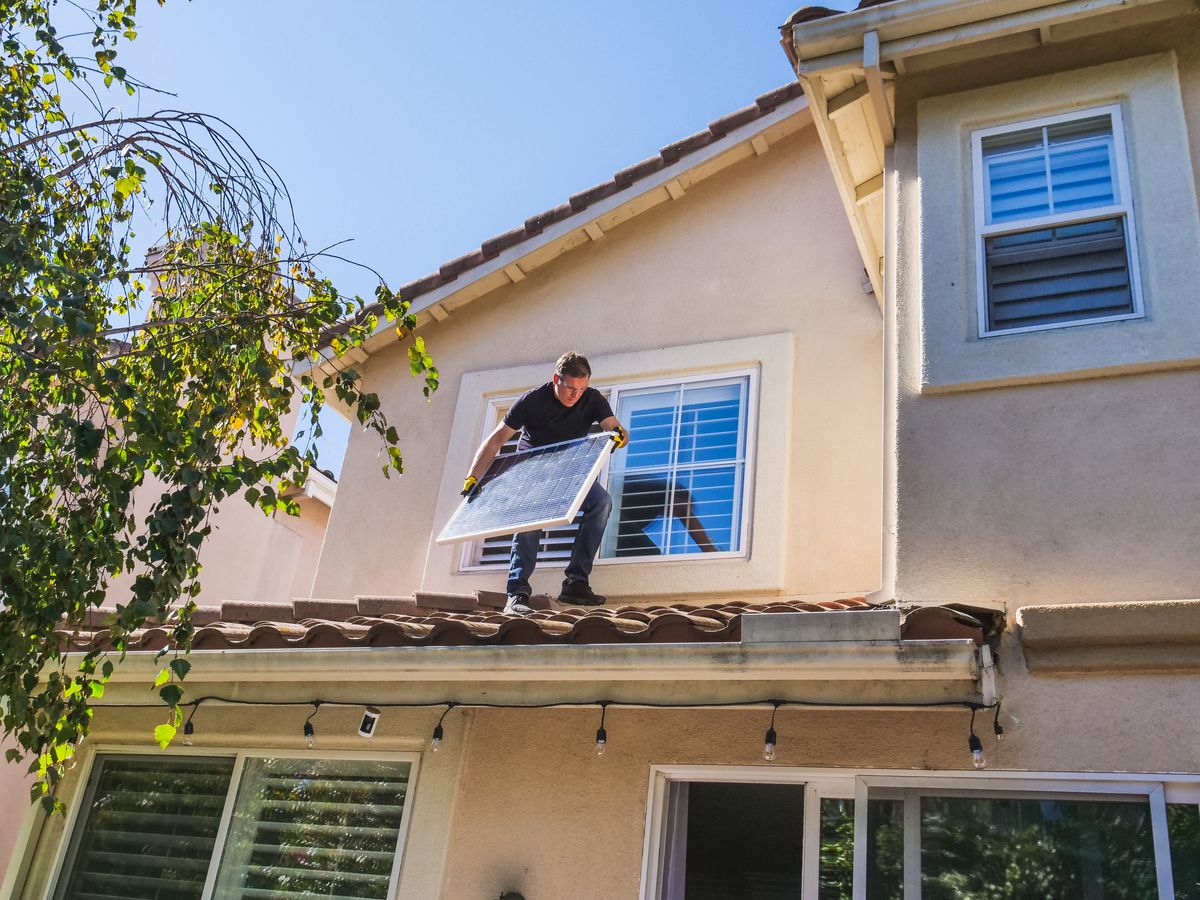
What you get
High-efficiency modules with long product and linear performance warranties.
Reliable inverters with built-in monitoring and anti-islanding protection.
Structures designed for your roof type and local wind conditions.
DC isolators, surge protection devices, breakers and dedicated earthing.
Track daily generation, savings and system health from your phone.
Drawings, forms and inspection guidance handled by our team.
On-grid FAQ
Still deciding? These answers cover the points most homeowners ask about on-grid systems.
No. For safety, grid-tied inverters shut down when the grid fails so that no power is sent back into lines that workers may be repairing. If you need backup during outages, a hybrid system with batteries is the right choice.
As a rough guide, each kilowatt of panels needs about 6–7 square metres of unshaded roof space. During the survey we measure your roof precisely and design the layout around water tanks, stairs and other obstructions.
Most residential on-grid systems are installed in two to four working days, depending on size and roof complexity. Net-metering approval is a separate process that runs in parallel.
Very little. Regular panel cleaning — more often in dusty seasons — and an annual inspection of connections and protection devices keep performance high. We offer scheduled maintenance plans for this.
Start your solar journey
Get a tailored on-grid design and a clear payback estimate for your home.