
Standalone solar
Reliable electricity where the grid can’t reach — or where you’d rather not depend on it at all. Engineered for your daily needs and the cloudiest weeks of the year.
System anatomy
An off-grid system has to do everything the grid normally does. Each component is selected to work together reliably, day after day, with no outside backup unless you choose to add one.
01.
Panels sized to fully recharge your batteries even in shorter winter days and partly cloudy weather.
02.
MPPT controllers extract maximum power from the array and protect batteries from overcharging.
03.
Lithium storage sized for your nightly use plus reserve days of autonomy for poor weather.
04.
Pure sine-wave inverter that powers sensitive electronics, pumps and motors safely.
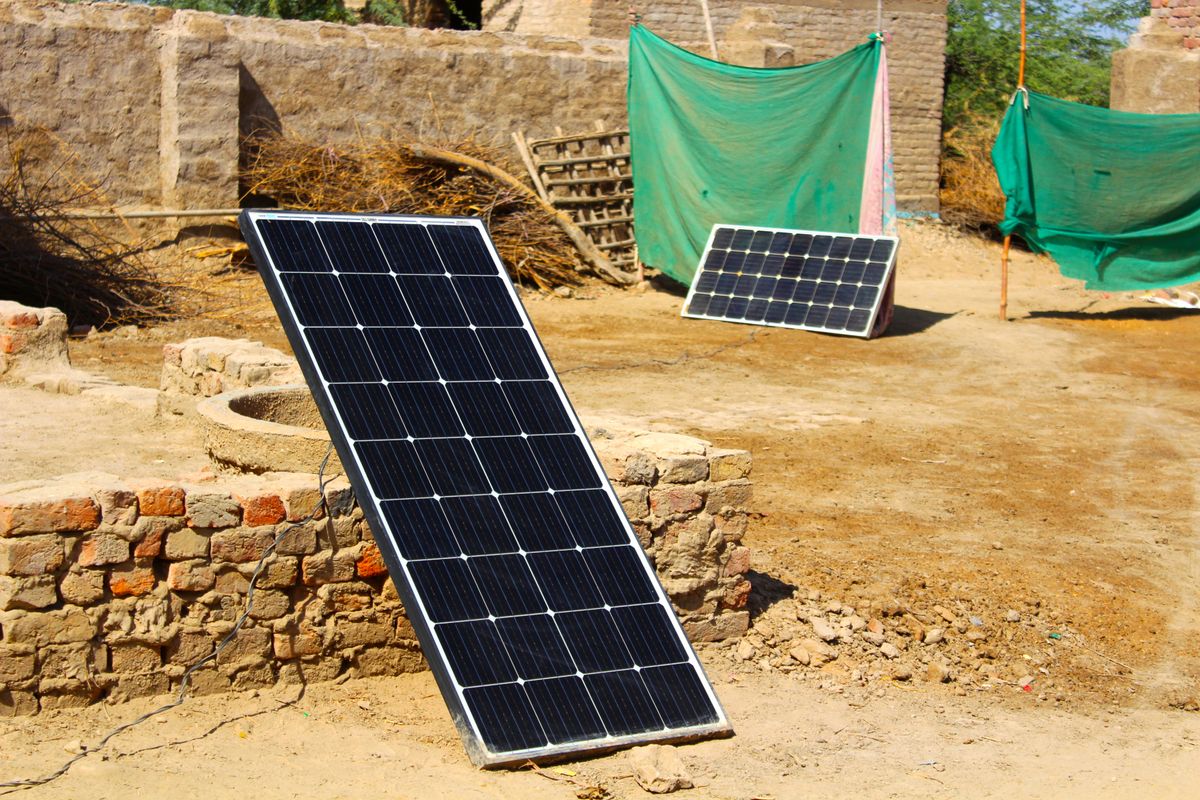
Who it's for
Off-grid solar is ideal for farmhouses, weekend retreats, remote homes, agricultural sites and any property where the grid is unavailable or extremely unreliable. It can also power specific needs such as irrigation pumps, security lighting and telecom equipment.
Because the system must stand on its own, design accuracy matters more than with any other solar type. We log your appliances, their running hours and seasonal patterns, then size the array and battery with a comfortable safety margin.
Sizing guide
These are the questions our engineers work through for every off-grid design. Getting them right is the difference between a system that copes and one that struggles.
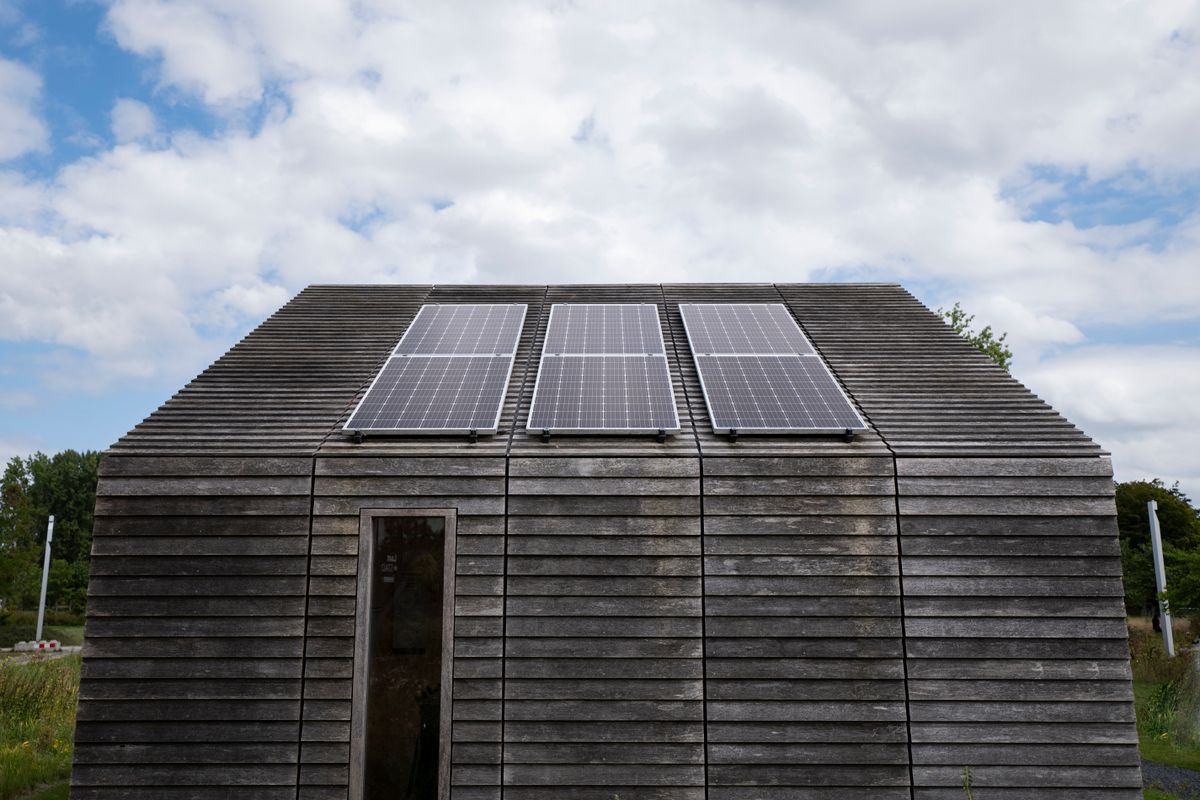
We list every appliance, its power rating and how many hours a day it runs. The total, in kilowatt-hours, is the foundation of the whole design. Efficient appliances can dramatically reduce system cost, so we often suggest simple swaps such as LED lighting and inverter fans.
We decide how many days the batteries should carry the load without meaningful sunshine. Most homes choose one to two days; critical sites may need more. This sets the battery capacity.
The panels must cover daily use and recharge the batteries after cloudy spells, using conservative sunshine figures for the worst months rather than the yearly average.
Motors in pumps, refrigerators and power tools draw a surge when they start. The inverter must handle these peaks comfortably without tripping.
We plan space and wiring for future panels or batteries and can integrate a generator for automatic charging during extended bad weather.
Start your solar journey
Share your location type and appliance list — we’ll prepare an off-grid design and equipment proposal.